
American families are facing a record amount of debt. By late 2025, total household debt in the U.S. hit $18.59 trillion. If you carry a balance on your credit cards, you are likely dealing with interest rates around 22.3%. With costs this high, it is important to have a clear plan to get out of debt.
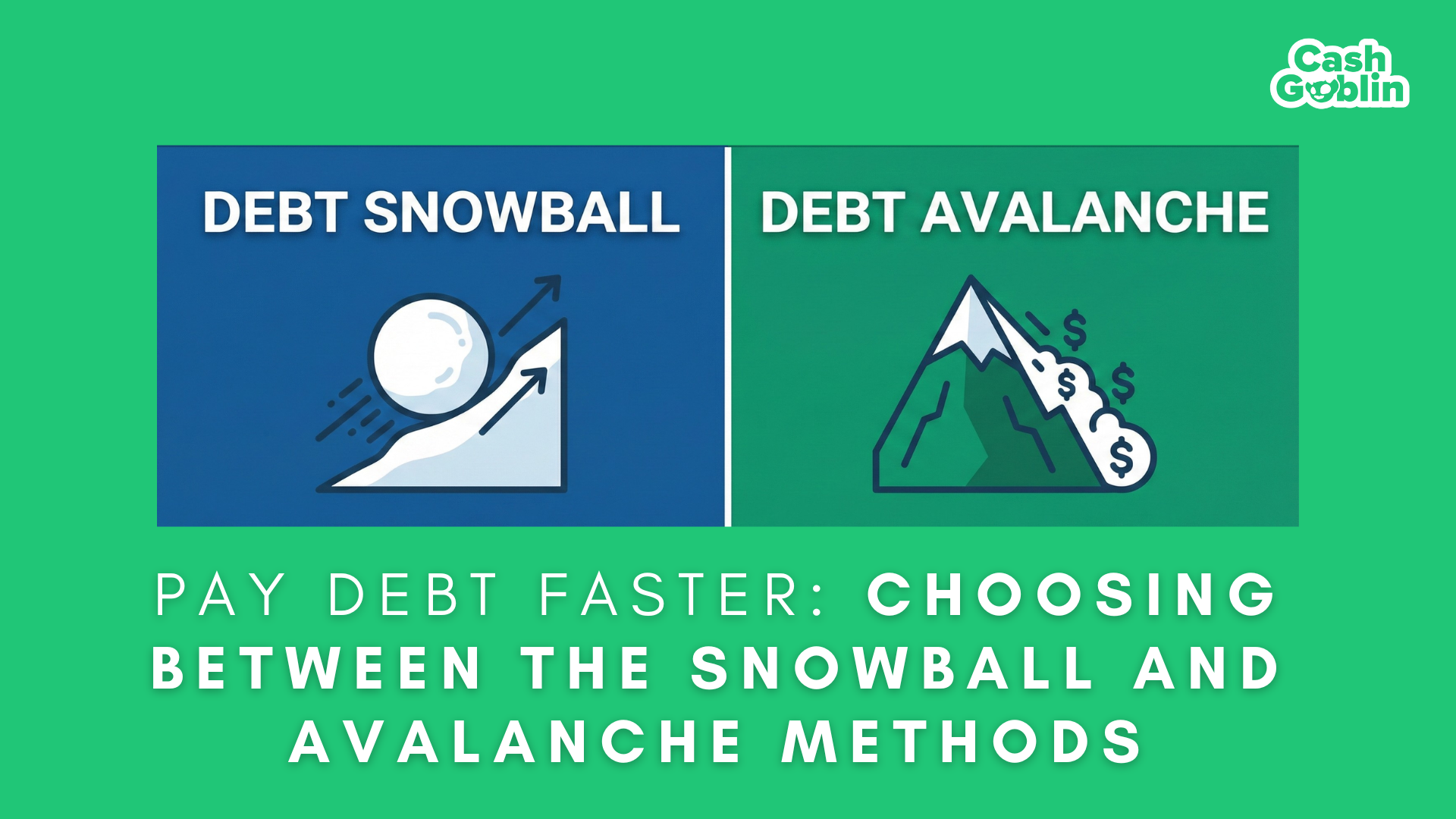
There are two main ways people choose to pay off their bills: the Debt Snowball and the Debt Avalanche. Here is a simple guide to help you pick the right one.
The Debt Snowball: For Quick Motivation
The Debt Snowball method focuses on the size of your bills. You pay off your smallest debt first, regardless of the interest rate.
How it works:
- List all your debts from the smallest balance to the largest.
- Pay the minimum on every bill except the smallest one.
- Put every extra dollar you have toward that smallest bill until it is gone.
- Once that bill is paid off, take the money you were paying on it and add it to the next smallest bill.
Why it works: This method is all about "quick wins." When you see a debt disappear in just a few months, it gives you a boost of confidence. That feeling of success helps you stay on track so you don’t give up.
The Debt Avalanche: To Save the Most Money
The Debt Avalanche method focuses on interest rates. You pay off the debt with the highest interest rate first.
How it works:
- List all your debts from the highest interest rate to the lowest.
- Pay the minimum on every bill except the one with the highest rate.
- Put all your extra money toward that high-interest bill.
- Once that debt is gone, move to the one with the next highest interest rate.6
Why it works: This is the fastest way to save money on interest. By getting rid of the most expensive loans first, you reduce the total amount of money you owe over time. It is best for people who are patient and care most about the math.
Other Strategies to Speed Up Your Progress
You don't have to stick strictly to the two methods above. Here are a few other ideas:
- The Debt Fireball: Group your debts into "good" and "bad" categories. Attack the "bad" debt (like high-interest credit cards) first. Keep the "good" debt (like a mortgage or low-interest student loan) for later.
- The Debt Lasso: Try to lower your interest rates to 0% or close to it. You can do this by calling your bank to ask for a lower rate or moving your balance to a credit card with a 0% interest promotion.
- The Debt Snowflake: Look for small amounts of extra cash every day. This could be money you saved with a coupon or a few dollars from a side job. Put that money toward your debt immediately before you spend it.
How Debt Affects Your Credit Score
Your credit score depends heavily on how much you owe. About 30% of your score is based on your total debt. Experts suggest using less than 30% of your total credit limit. If you can keep your usage under 10%, your score will likely be even higher.
The Avalanche method can sometimes help improve your score faster. This is because it often targets "maxed-out" cards first, which brings down your usage ratio more quickly.
Important Rules for Medical Debt
Medical bills are handled differently from other types of debt. Even though some federal rules changed recently, the major credit bureaus still follow these standards:
- The $500 Rule: Medical bills under $500 should not show up on your credit report.
- The One-Year Rule: Medical debt won't be reported until it is at least one year late. This gives you time to work with insurance.
- The Deletion Rule: Once you pay off a medical bill that was in collections, it must be removed from your credit report immediately.
Frequently Asked Questions
Which method is better? The "best" method is the one you can stick with until the end. If you need to see progress quickly to stay interested, use the Snowball. If you want to save the most money, use the Avalanche.
Can I use both methods at once? Yes. Some people start with the Snowball to pay off a few small, annoying bills. Once they feel more confident, they switch to the Avalanche to attack their high-interest debt.
Should I stop investing while I pay off debt? It depends on the interest rate. If your debt has a 20% interest rate and your investments only make 10%, you are losing money. It usually makes sense to pay off high-interest debt before putting extra money into the stock market.
Finding the Money to Fuel Your Plan
Choosing between the Snowball or Avalanche method is a great first step, but the real challenge for most people is finding the extra money to make those payments. Even the best plan won't work if there is no cash left at the end of the month.
This is why many people use the Profit First accounting method alongside their debt payoff plan. This method flips the way you look at your money. Instead of paying all your bills and hoping there is something left over for your debt, you set aside money for your goals the moment you get paid.
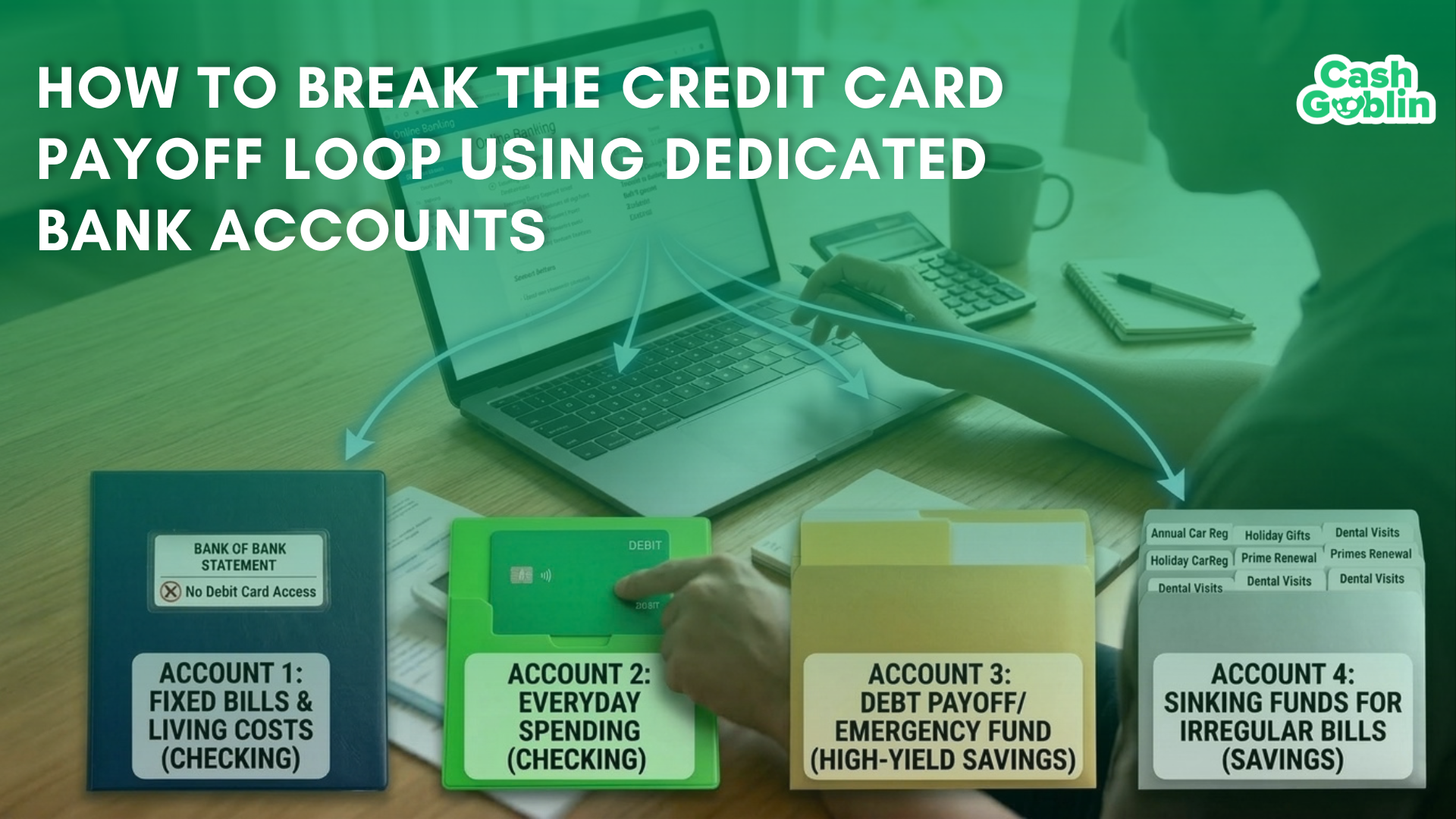
The system works by using separate bank accounts for different purposes, such as taxes, your own pay, and profit. This creates a physical boundary that stops you from accidentally spending money that should go toward your debt repayment.
If you are ready to stop guessing and start seeing real progress, our Profit First e-course can help. It provides a straightforward, step-by-step guide to setting up this system so you can find the hidden cash in your budget and reach your debt-free date faster than ever.
INSTALL THE PROFIT FIRST SYSTEM FOR DEBT REPAYMENT HERE


.png)


.png)

.png)