

Key Points: What You Need to Know for 2026
- The Old Rules are Out: Having 3 months of savings used to be the standard, but because it takes longer to find a job in 2026, many experts now suggest aiming for 6 to 12 months.
- Prices are Still High: Life is roughly 26% more expensive now than it was just a few years ago. If you haven't added to your savings lately, your safety net might be smaller than you think.
- New Laws Can Help: New retirement laws (SECURE 2.0) now allow you to take up to $1,000 out of your 401(k) once a year for emergencies without paying a penalty.
- Most People are underfunded: The average person has only $500 saved, but the typical emergency in 2026 costs about $1,700.
- The Best Place for Cash: Online savings accounts are currently paying between 3.5% and 4% interest, making them the best place to keep your cash safe but accessible.
In 2026, a "rainy day" feels a lot more expensive than it used to. While the economy is growing, the cost of groceries, rent, and car repairs has stayed high. We are also in a "low-hire" job market, meaning while companies aren't doing massive layoffs, they aren't hiring as quickly as they used to. This means if you lose your income, it might take a bit longer to find your next role. Your emergency fund isn't just a "nice to have" anymore; it’s the bridge that gets you through a longer job search.
Why the 3-Month Rule No Longer Works
For a long time, the advice was to save three months of expenses. In 2026, that rule is often too risky for three main reasons:
- Job Search Time: Because hiring has slowed down, it can take six months or more to find a job that pays what you’re worth.
- Higher "Must-Pay" Bills: Prices for the basics (like insurance and housing) have risen significantly. A three-month cushion from a few years ago won't cover three months of bills today.
- The "Spending Shock": The average emergency today, like a major car repair or a medical bill, costs about $1,700. If you only have a few thousand dollars saved, one bad week could wipe you out.
How to Figure Out Your Personal Savings Goal
Forget complex math. To find your number, just follow these three simple steps:
- Step 1: List Your "Must-Pay" Bills. Add up only the things you have to pay to keep your life running: rent or mortgage, utilities, basic groceries, insurance, and minimum debt payments.
- Step 2: Think About "Recovery Time." If you lost your job tomorrow, how many months would it honestly take to find a new one in your field? In 2026, most people should use 6 months as a safe starting point.
- Step 3: Add an "Inflation Buffer." Since prices tend to go up over time, add a little extra (about 10%) to your total to make sure your savings keep their buying power.
New Ways to Access Emergency Cash in Your 401(k)
One of the biggest changes in 2026 is how the government views retirement accounts. They now realize people need a "sidecar" for emergencies.
- The $1,000 Emergency Withdrawal: You can now take up to $1,000 out of your retirement plan once a year for an emergency. You won't be charged the usual 10% tax penalty for doing this.
- No Paperwork Needed: You can "self-certify," which means you tell your employer it’s an emergency without having to turn in piles of receipts.
- The 3-Year Repayment Rule: You have three years to put that money back. If you don't pay it back, you can't take another emergency withdrawal until those three years are up.
- Employer Savings Accounts: Some companies now offer a special savings account attached to your 401(k) where you can save up to $2,500 that stays totally liquid and easy to grab.
Where to Keep Your Emergency Fund for the Best Results
You want your money to do two things: be easy to get to and grow while it sits there. And this is where
- High-Yield Savings Accounts (HYSAs): These are the best choice. They are paying around 4% interest right now, which is much better than a traditional bank.
- Money Market Accounts: These are similar to savings accounts but sometimes come with a debit card or checks, making them very easy to use in a pinch.
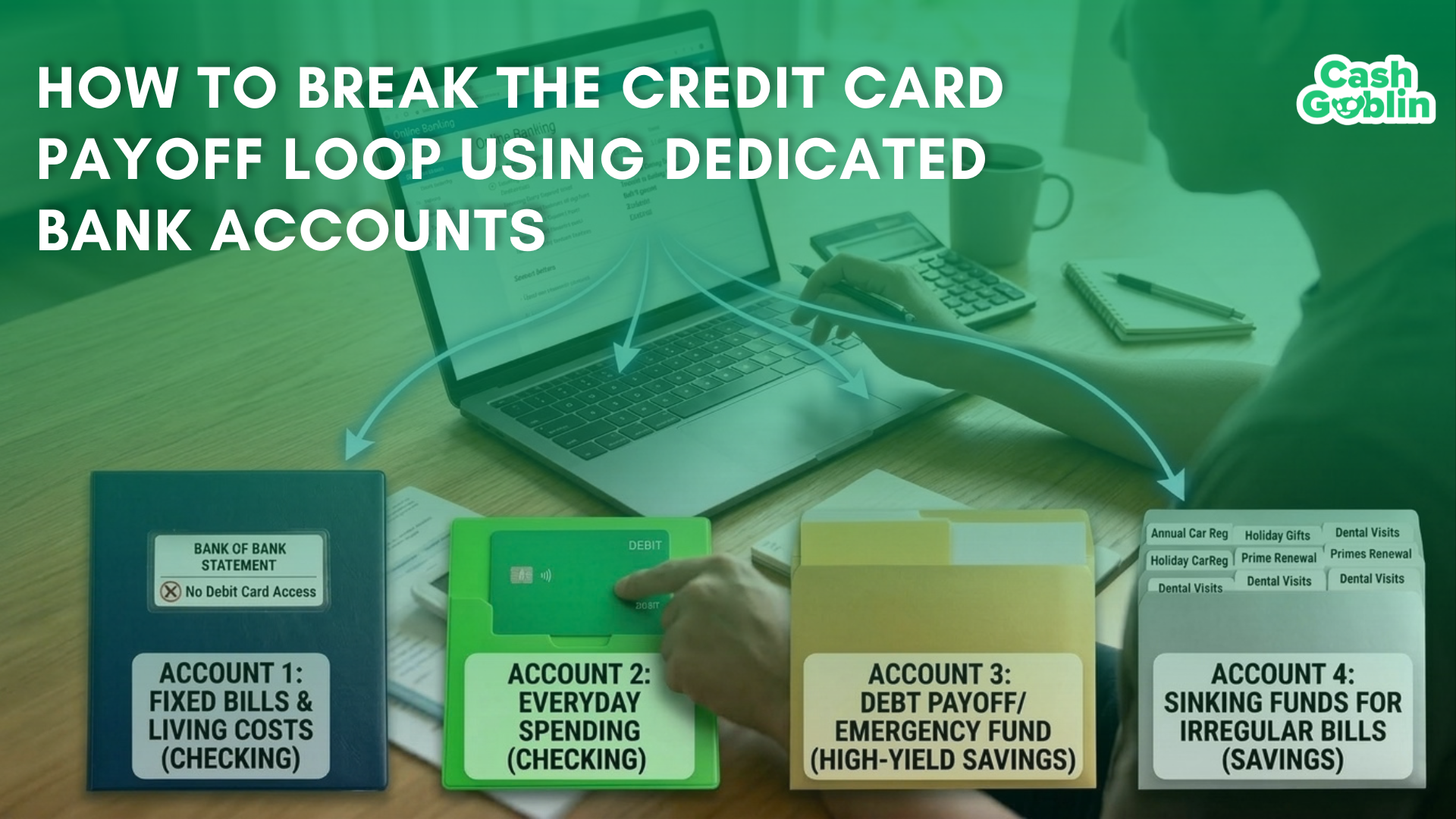
- Keep it Separate: Don't keep your emergency fund in your regular checking account. If you see the money every time you buy coffee, you're more likely to spend it on "accidental" emergencies.
How to Use "Mini-Buckets" to Stop Dipping Into Your Savings
The main reason people fail at saving is that they use their emergency fund for things that aren't actually emergencies. The secret is to create "Sinking Funds" (or mini-buckets) for predictable costs:
- The Car Bucket: Save a little each month for tires, registration, and oil changes.
- The Home Bucket: Experts suggest saving 1% to 4% of your home’s value every year for repairs.
- The Pet Bucket: Vet bills are rising fast; having a dedicated spot for Fluffy’s checkups keeps your main fund safe.
Frequently Asked Questions (FAQs)
Is $1,000 still a good starting goal? It's a great first step, but $2,000 is the new "safe" starter goal for 2026. Since the average emergency costs $1,700, $1,000 might not get you all the way there.
Should I save or pay off my credit cards first?
In 2026, the best move is to do both. Try to get a $1,000 "starter" fund first so you don't have to use your credit card if your car breaks down. Once you have that small buffer, focus on paying off high-interest debt.
Can I just use a credit card as my emergency fund? It’s risky. If you lose your job, a credit card company can lower your limit or close your account. Cash in a high-yield savings account is the only thing you truly control.
What counts as a "true" emergency?
A true emergency is something that was unplanned, necessary, and urgent—like a job loss, a broken furnace, or an emergency room visit. A summer vacation or a "great deal" on a new TV is not an emergency.
Bottom Line: Your Plan for Financial Peace
Building a safety net in 2026 isn't about hitting a magic number; it’s about making sure life’s surprises don't knock you off track. Use the new retirement rules, pick the right savings accounts, and separate your "mini-buckets" from your main fund. These can set you up to stop worrying about "what if" and start focusing on your future. Start small, stay consistent, and let your systems do the hard work for you.
Want to Build Your Emergency Funds Effortlessly?
If you want to build your emergency funds without feeling the struggle, keep an eye out for Cash Goblin. Our upcoming app, supported by Tax Goddess, is designed to remove the "manual gap" by automating your savings. It uses virtual "Money Managers" to instantly move your income into the right buckets (like your emergency fund) the moment you get paid. While the app is in development, you can start applying some of its core principles through the Profit First e-course today.
UNLOCK EFFORTLESS SAVINGS WITH THE PROFIT FIRST E-COURSE HERE


.png)


.png)

.png)